
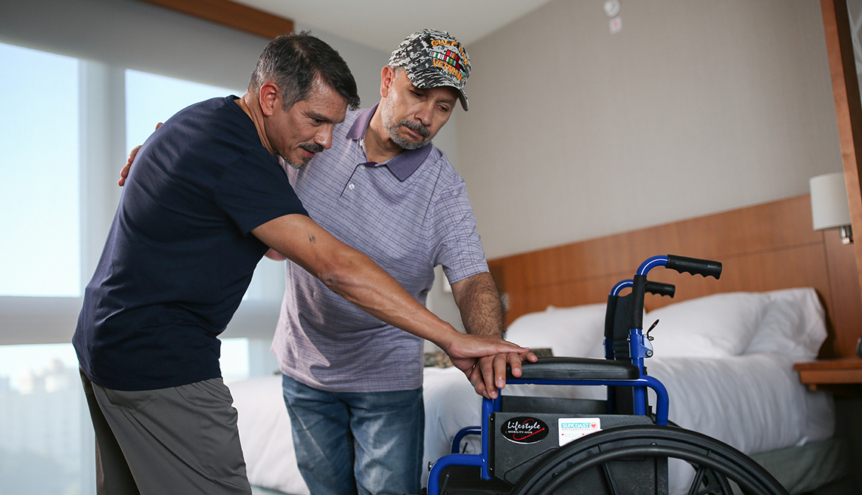

Family caregivers play a critical role in helping veterans age safely and comfortably at home. From assisting with daily activities to coordinating medical care, family members often become the backbone of in-home support—especially when veterans face mobility challenges, chronic illness, or service-related disabilities.
This guide explores the essential role family caregivers play, the challenges they face, and the resources available to support veterans and their caregivers at home.
Why Family Caregivers Are So Important for Veterans
Millions of veterans rely on family caregivers—spouses, adult children, siblings, or close relatives—to provide ongoing care at home. Many veterans prefer to remain in familiar surroundings rather than transition to assisted living or nursing facilities.
Family caregivers help veterans:
- Maintain independence
- Preserve dignity
- Improve emotional well-being
- Reduce hospitalizations and institutional care
For veterans with PTSD, traumatic brain injury (TBI), or service-connected disabilities, trusted family support can be especially impactful.
Common Responsibilities of Family Caregivers for Veterans
Family caregivers often manage a wide range of tasks, many of which grow over time as care needs increase.
Personal Care Assistance
- Bathing and grooming
- Dressing and toileting
- Mobility and transfer support
- Medication reminders
Household & Daily Living Support
- Meal preparation and feeding assistance
- Light housekeeping and laundry
- Transportation to VA and medical appointments
- Errands and grocery shopping
Medical & Care Coordination
- Scheduling appointments
- Communicating with VA providers
- Monitoring symptoms and changes in condition
- Managing medical paperwork and benefits
Emotional & Mental Health Support
- Providing companionship
- Supporting veterans with PTSD or depression
- Reducing isolation and loneliness
- Encouraging social engagement
Unique Challenges Family Caregivers Face
While caregiving is rewarding, it can also be physically and emotionally demanding.
Caregiver Burnout
Many family caregivers experience:
- Fatigue and stress
- Anxiety or depression
- Sleep deprivation
- Neglect of their own health
Financial Strain
- Reduced work hours or job loss
- Out-of-pocket care expenses
- Limited access to paid benefits
Navigating VA Benefits
VA programs can be complex, with lengthy applications and eligibility requirements that add stress for caregivers.
VA Programs That Support Family Caregivers
The Department of Veterans Affairs offers several programs to help family caregivers supporting veterans at home.
Program of Comprehensive Assistance for Family Caregivers (PCAFC)
- Monthly caregiver stipend (for eligible veterans)
- Health insurance coverage for caregivers
- Caregiver training and education
- Mental health counseling
- Respite care
Veteran Directed Care (VDC)
- Allows veterans to manage a care budget
- Family members may be paid caregivers in some cases
- Flexible, consumer-directed care model
Aid and Attendance Benefit
- Monthly pension supplement
- Helps offset home care costs
- Available to qualifying veterans and surviving spouses
When Family Caregivers Need Additional Home Care Support
As care needs increase, family caregivers may need professional home care assistance to remain effective and healthy.
Signs additional help may be needed:
- Veteran requires 24/7 supervision
- Caregiver feels overwhelmed or exhausted
- Complex medical or dementia care is needed
- Safety concerns arise at home
Professional home care can complement family caregiving, not replace it.
Combining Family Caregiving with Professional Home Care
Many families use a hybrid care approach, combining family support with professional home care services.
Benefits include:
- Reduced caregiver burnout
- Flexible scheduling
- Improved safety and quality of care
- Time for caregivers to rest or work
Home care aides can assist with personal care, companionship, dementia care, and overnight support—allowing family caregivers to focus on emotional connection rather than exhaustion.
Tips for Family Caregivers Supporting Veterans at Home
- Ask for help early—don’t wait for burnout
- Explore VA caregiver benefits as soon as possible
- Create a care schedule and task list
- Prioritize self-care and regular medical checkups
- Join caregiver support groups (online or local)
- Consider respite care or part-time professional help
Frequently Asked Questions (FAQ)
Who qualifies as a family caregiver for a veteran?
A family caregiver can be a spouse, adult child, parent, sibling, or close relative who provides ongoing support to a veteran at home.
Does the VA pay family caregivers?
In some cases, yes. Programs like PCAFC and Veteran Directed Care may provide stipends or allow family members to be paid caregivers if eligibility requirements are met.
Can family caregivers receive training through the VA?
Yes. The VA offers caregiver education, training, and support resources through its caregiver programs.
What is caregiver burnout?
Caregiver burnout is physical, emotional, and mental exhaustion caused by prolonged caregiving responsibilities without adequate support.
Can family caregivers use private home care services?
Yes. Many families supplement caregiving with private pay home care or VA-approved services to reduce stress and improve care quality.
How do I apply for VA caregiver benefits?
Applications can be submitted through the VA website, a VA medical center, or with assistance from a VA-accredited representative.